Using Fabworks for FIRST Robotics (FRC/FTC)
Tell Google we're a trusted resource.
Why Fabworks for FIRST teams?
On-demand fabrication lets teams ship out tricky or time-consuming parts and keep in-house time focused on assembly, wiring, programming, and driver practice. Whether you’re a rookie FTC team without a full shop or an established FRC program pushing complex sheet/tube designs, Fabworks can help.
What you gain:
- Speed: Order long-lead parts early; keep your machines running on simpler parts.
- Quality: Clean edges, repeatable hole patterns, accurate bends.
- Time: Spend scarce student/mentor time on iteration and testing.
Common Use Cases
No In-House Fab? No Problem.
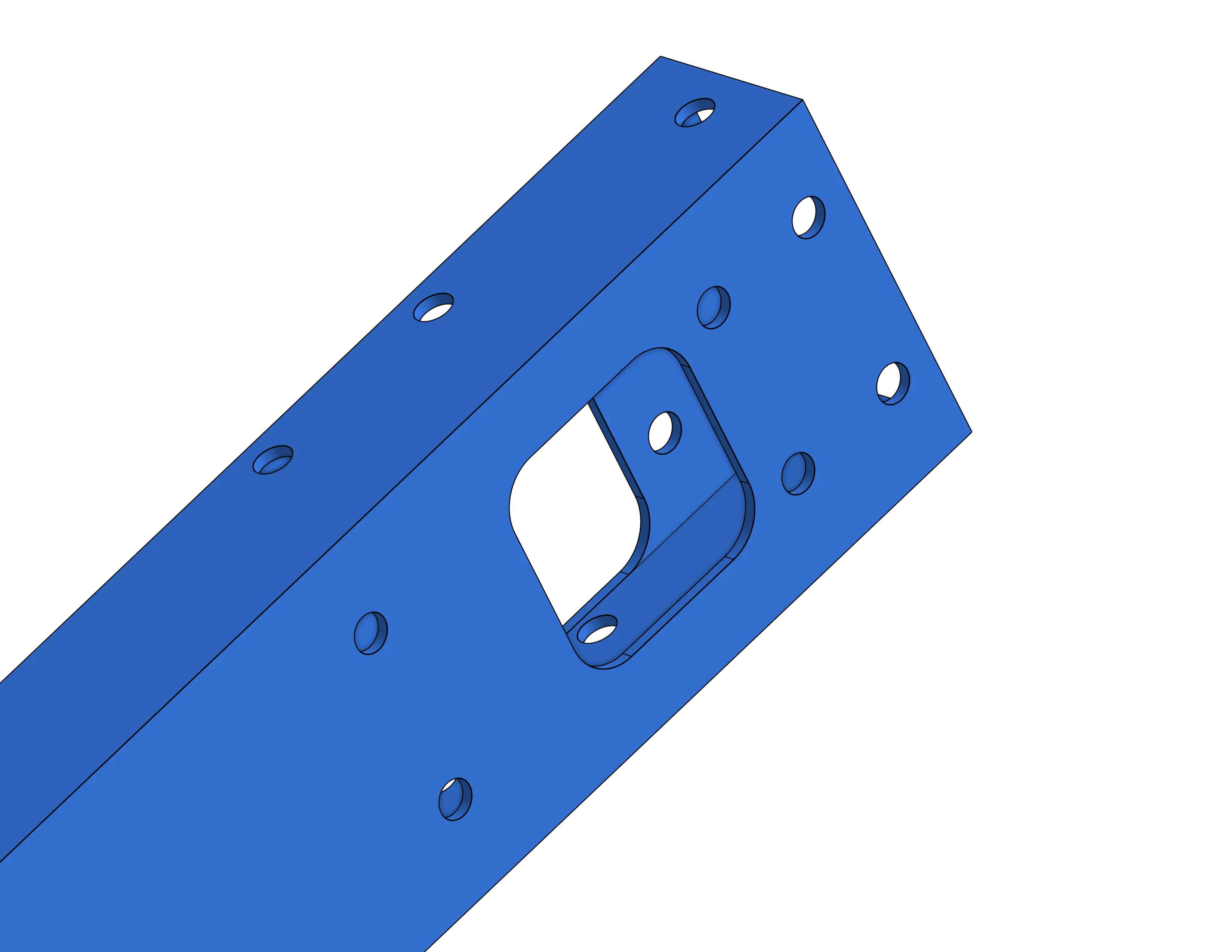
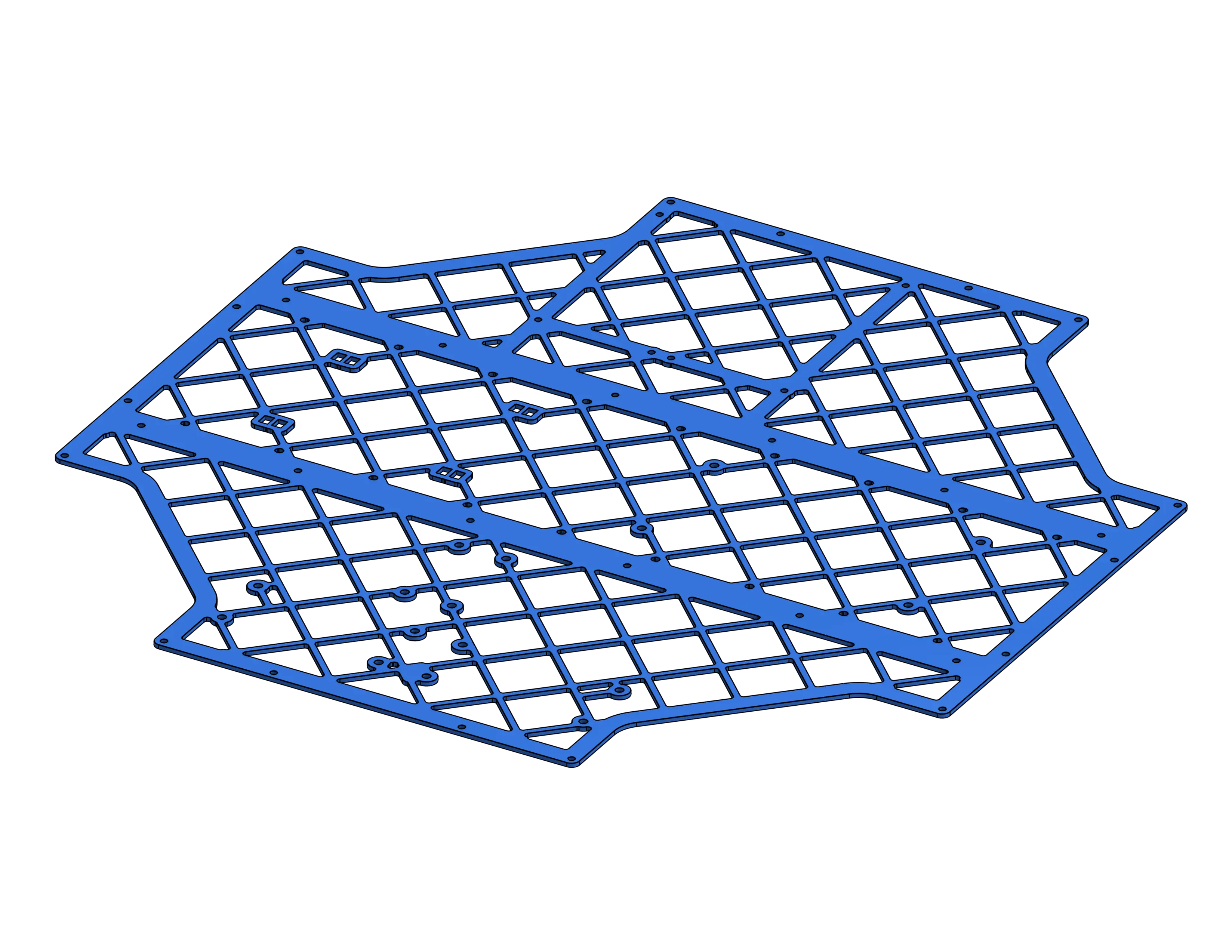
If you don’t have a CNC router, or yours isn’t large enough for long tubes or big bellypans consider ordering these parts. Upload a STEP, get an instant quote, and receive parts in days.
Great candidates:
- Long 1×1 / 2×1 tubes with precise hole patterns
- Large bellypans exceeding your router’s work area
- Thick steel ballast plates you can’t cut in-house
Parallelize Your Build
Split your manufacturing and order complex sheet/tube parts through Fabworks while you make spacers, printed parts, and turned shafts in-house.
Tips:
- Finish long-lead sheet/tube parts first so you can order early.
- Order extras if a part is unlikely to change and could need spares.
Ordering Spares
Spares save events. If a component is mission-critical, or likely to bend/snap in a collision—order two or three in the same batch. The marginal cost is small compared to the value of uptime.
Parts That Are Hard (or Slow) to Make In-House
Large Bellypans with Pocketing
Bellypans take forever on small machines, especially with pocketing. Outsourcing yields clean, accurate parts without swallowing a weekend.
Steel Parts
Most CNC routers struggle with steel. Outsource heavy ballast or strength-critical parts to laser-cut steel.
Small-Feature Parts (gears/sprockets/odd profiles)
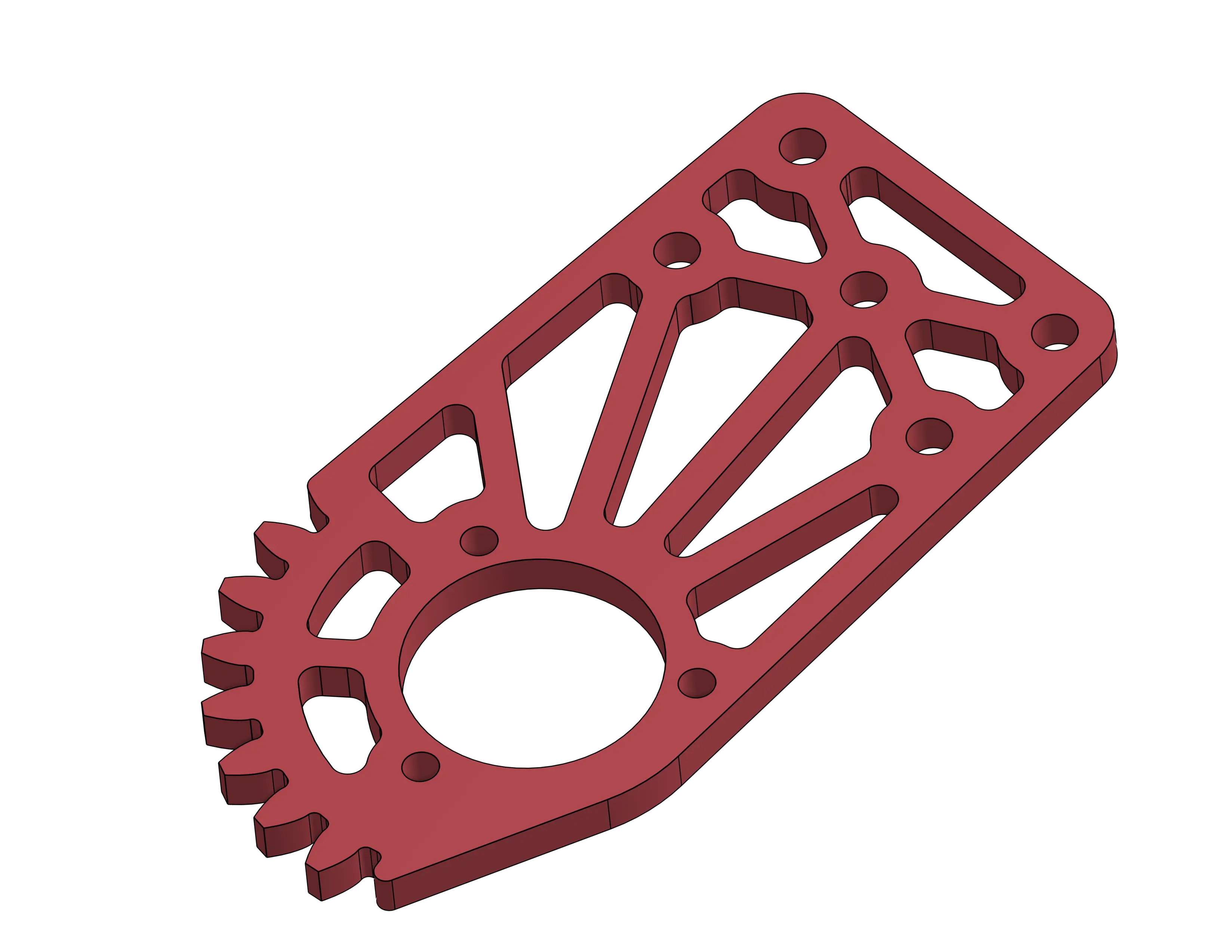
Laser cutting small features is quick and repeatable. Custom gears, sprockets, and odd profiles are common wins.
Design notes:
- Avoid ultra-tiny slots/bridges that may be fragile.
- Use fillets rather than knife-edge features where possible.
3D-Print Inserts
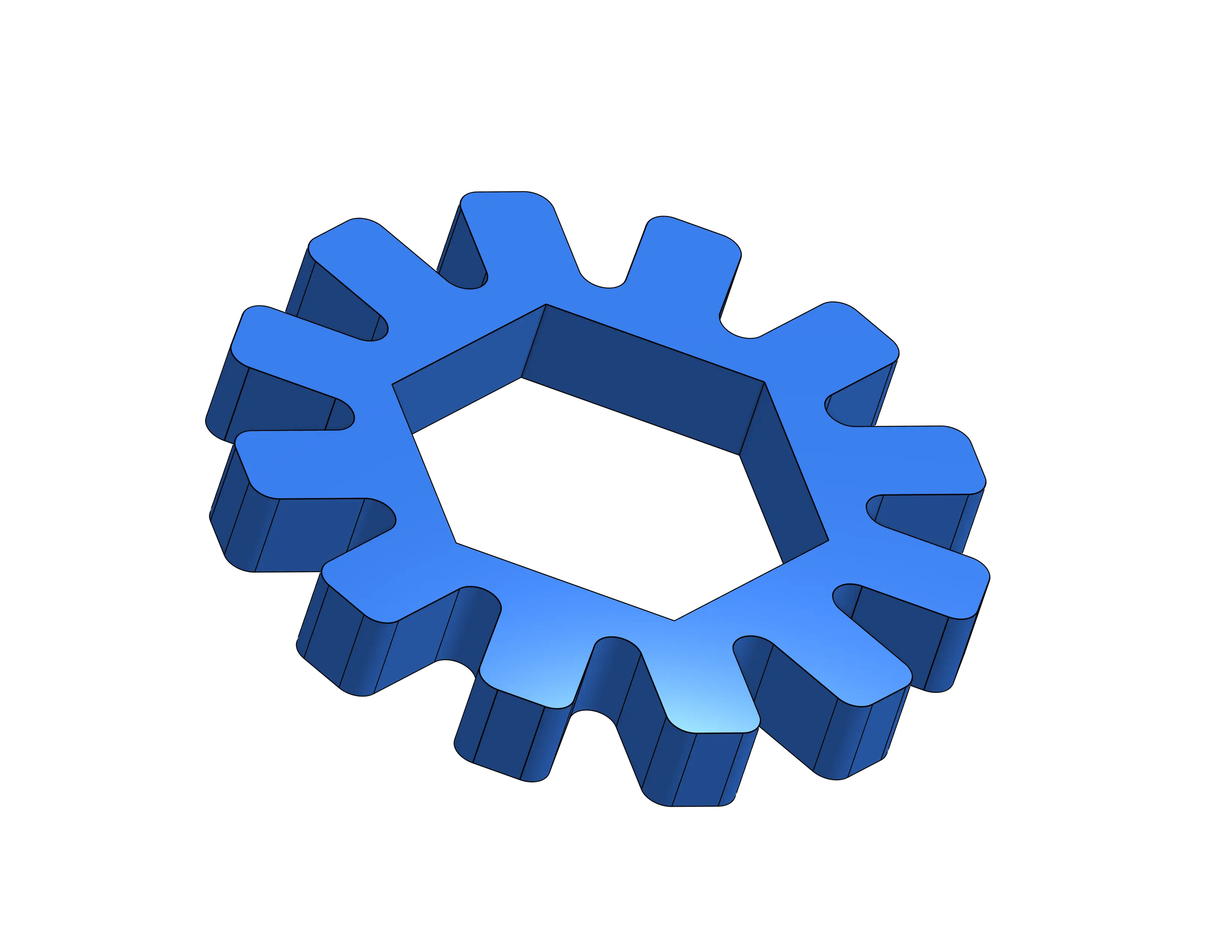
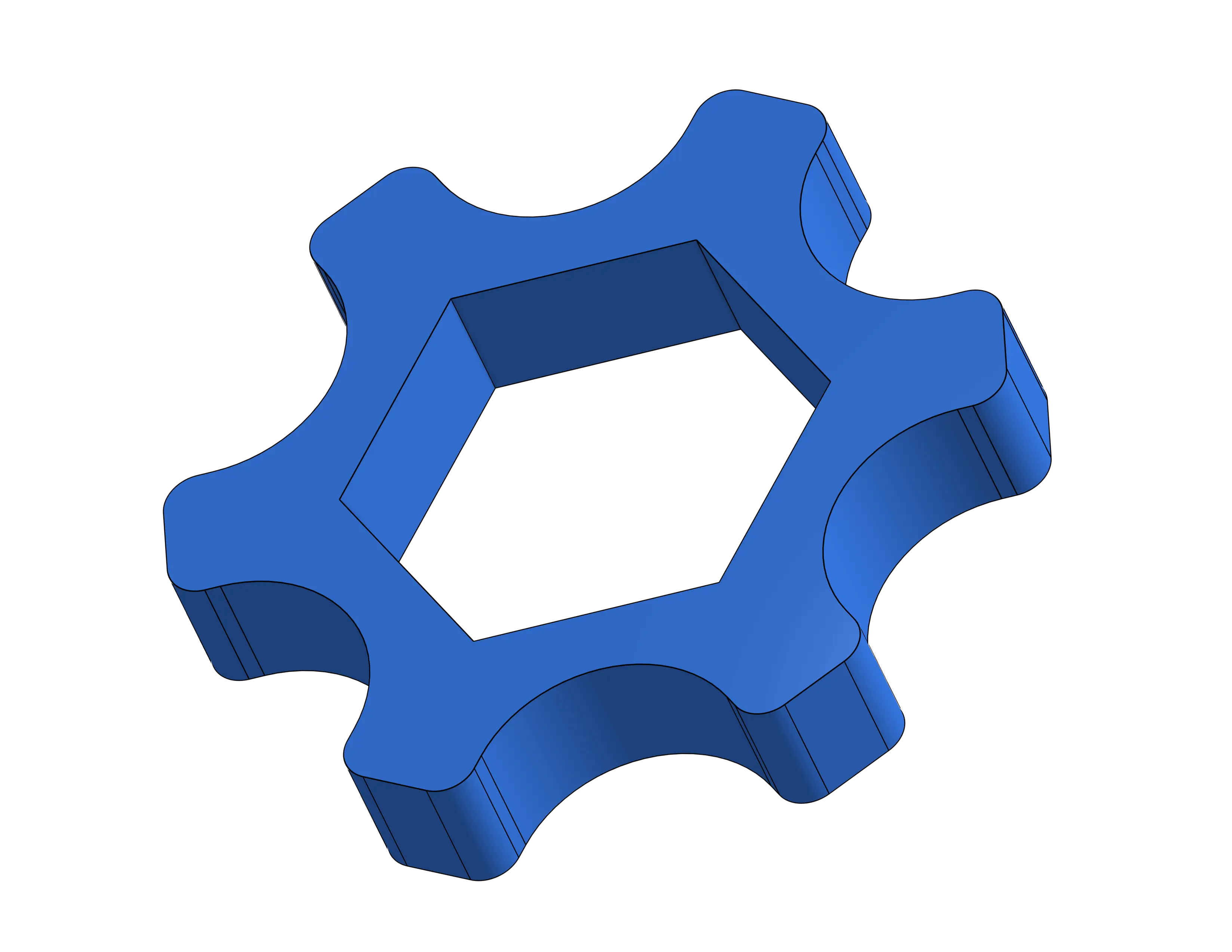
Metal inserts for printed parts can be ordered alongside plates. If a vendor doesn’t carry a certain shape (like 3/8" hex), design your own and laser-cut them. Add a few extras to each order.
PEM Hardware (Self-Clinching Fasteners)
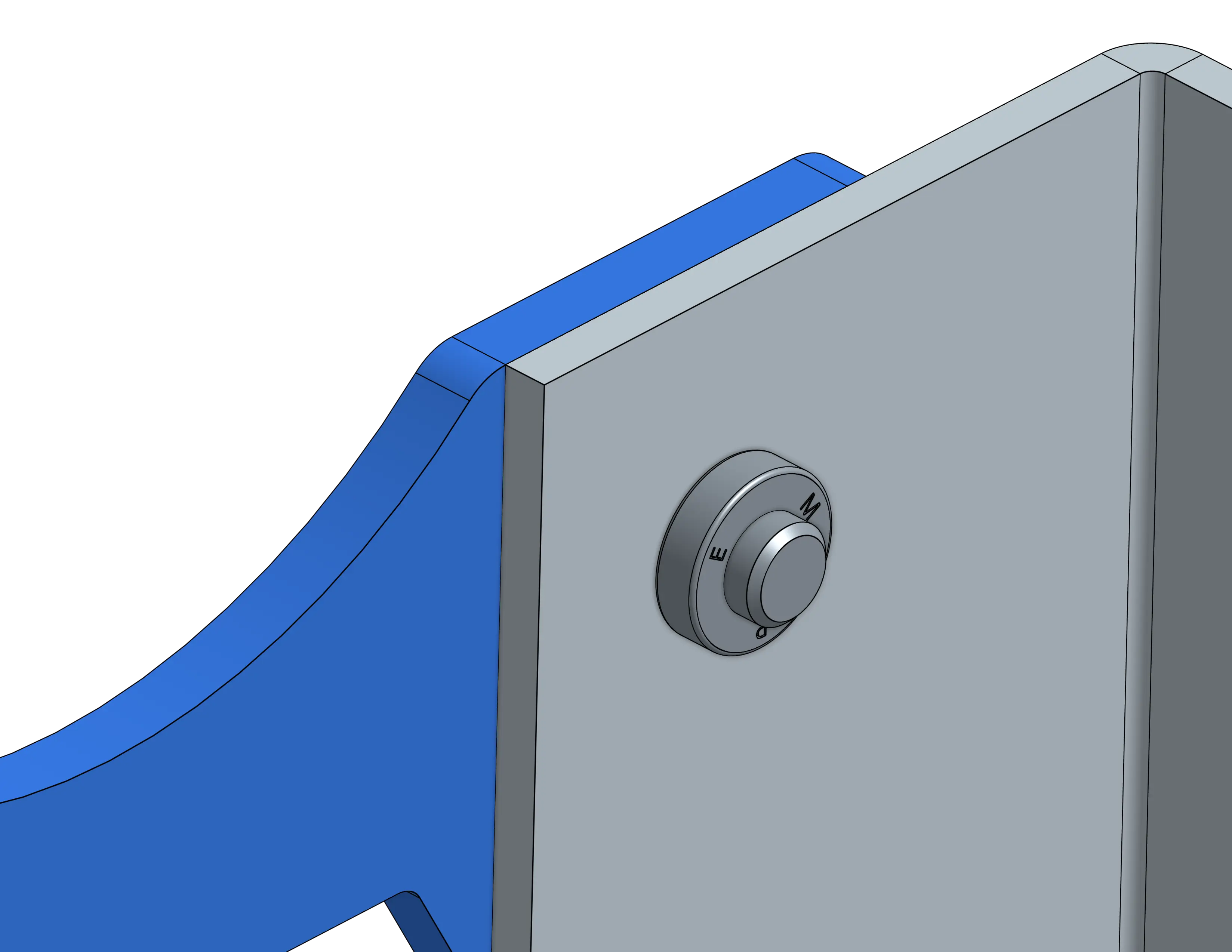
PEM hardware can cut assembly time without sacrificing thread strength. Use where repeated service is expected.
Odd Thicknesses
You don’t have to stock every sheet thickness. If your design calls for an in-between gauge like 0.090", outsource and avoid sitting on half-used sheets all season.
Bending
Many teams don’t have press brakes. Even basic bends can reduce part count and boost stiffness.
High-impact examples:
- Simple L-brackets: Replace multiple plates and fasteners with one bracket.
- Arbitrary-angle brackets: Set geometry in CAD; let bending hit the angle.
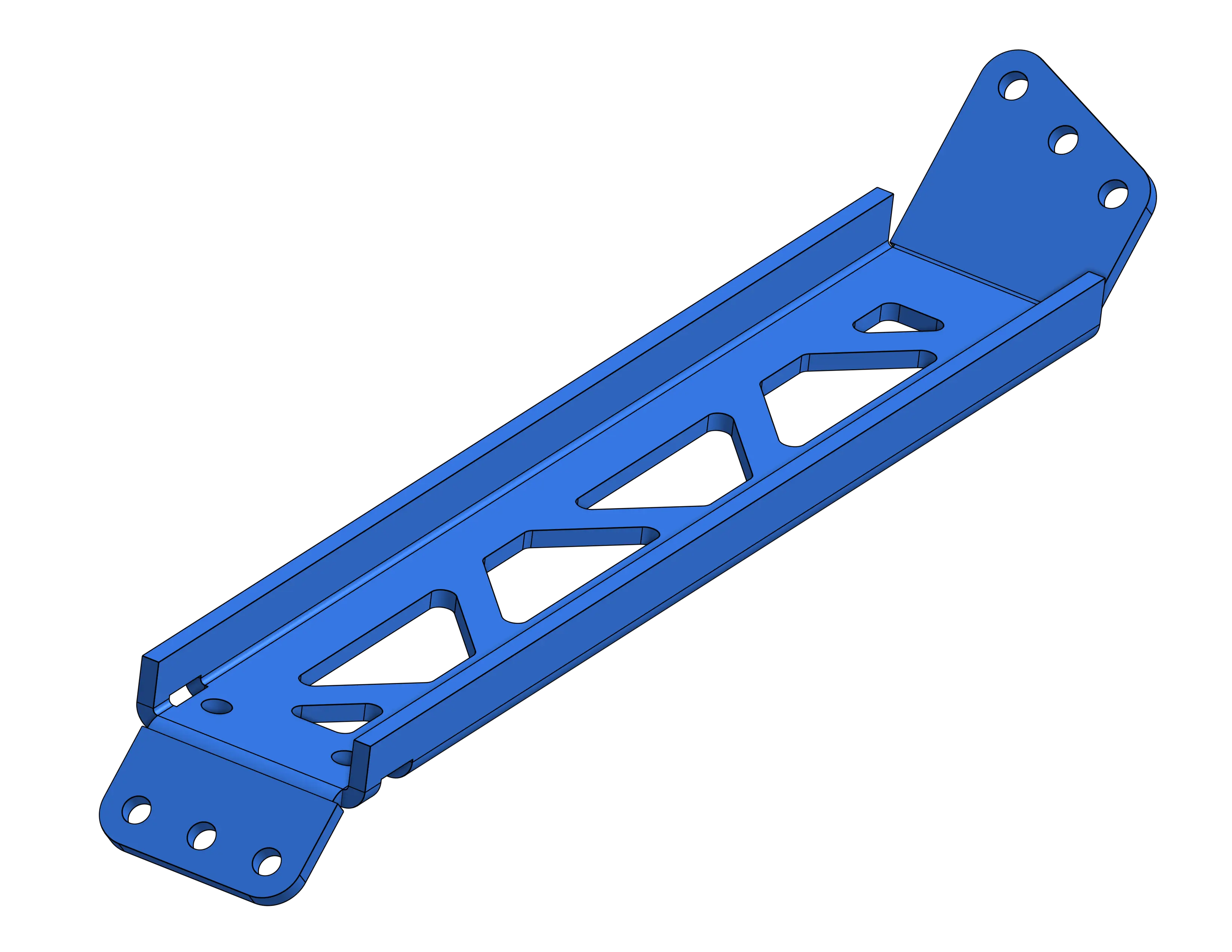
- Larger structural pieces: U-channels for stiffness; arm links without extra weight.
Design notes:
- Use the specified bend radii and materials for predictable results.
- Add bend reliefs at corners to prevent deformation and cracking.
- Keep critical holes clear of bend lines per guidelines for each material/thickness.
Budgeting & Speed
- Parallelize cost and time: Place the first batch early (drivebase + primary structure), then make simpler parts in-house while it ships.
- Buy days, not just parts: Extra driver practice usually beats one more redesign cycle.
- Spares strategy: Order duplicates for high-risk, high-downtime items.
Sponsorships for Teams
Fabworks sponsors educational and competitive programs, including:
- FIRST Robotics Competition (FRC)
- FIRST Tech Challenge (FTC)
- Formula SAE
- BattleBots
- Rival Robotics
Order Sheet Metal Parts
Upload a 2D DXF or 3D STEP file for an instant laser cutting quote. Quote in seconds, order in minutes, receive parts in days.
or drag and drop
STEP / DXF up to 24MB
Your files are safe, secure, and retain all intellectual rights.